
Structured Financial and Regulatory Data for Legal Research and Due Diligence
Corporate law teams, litigation practices, and compliance counsel use DataDock to access structured public filings, ownership records, regulatory disclosures, and entity relationship data. Replace manual document review with queryable, enriched data that supports faster, more defensible legal work.

35M+
Regulatory filings indexed and structured for query
Real-Time
Filing and disclosure updates as they are published
Full
Data lineage and audit trail on every record returned
Built for Legal Professionals
The data layer that serious legal work demands
Legal teams spend significant time locating, reviewing, and cross-referencing public records that are already available but poorly structured. DataDock surfaces that information in a queryable, enriched format that fits directly into research, due diligence, and litigation workflows.
M&A and Transaction Counsel
Securities Litigation and Enforcement
Regulatory and Compliance Counsel
Commercial and Disputes Practices
Data Coverage
The public records legal teams need, structured and ready to query
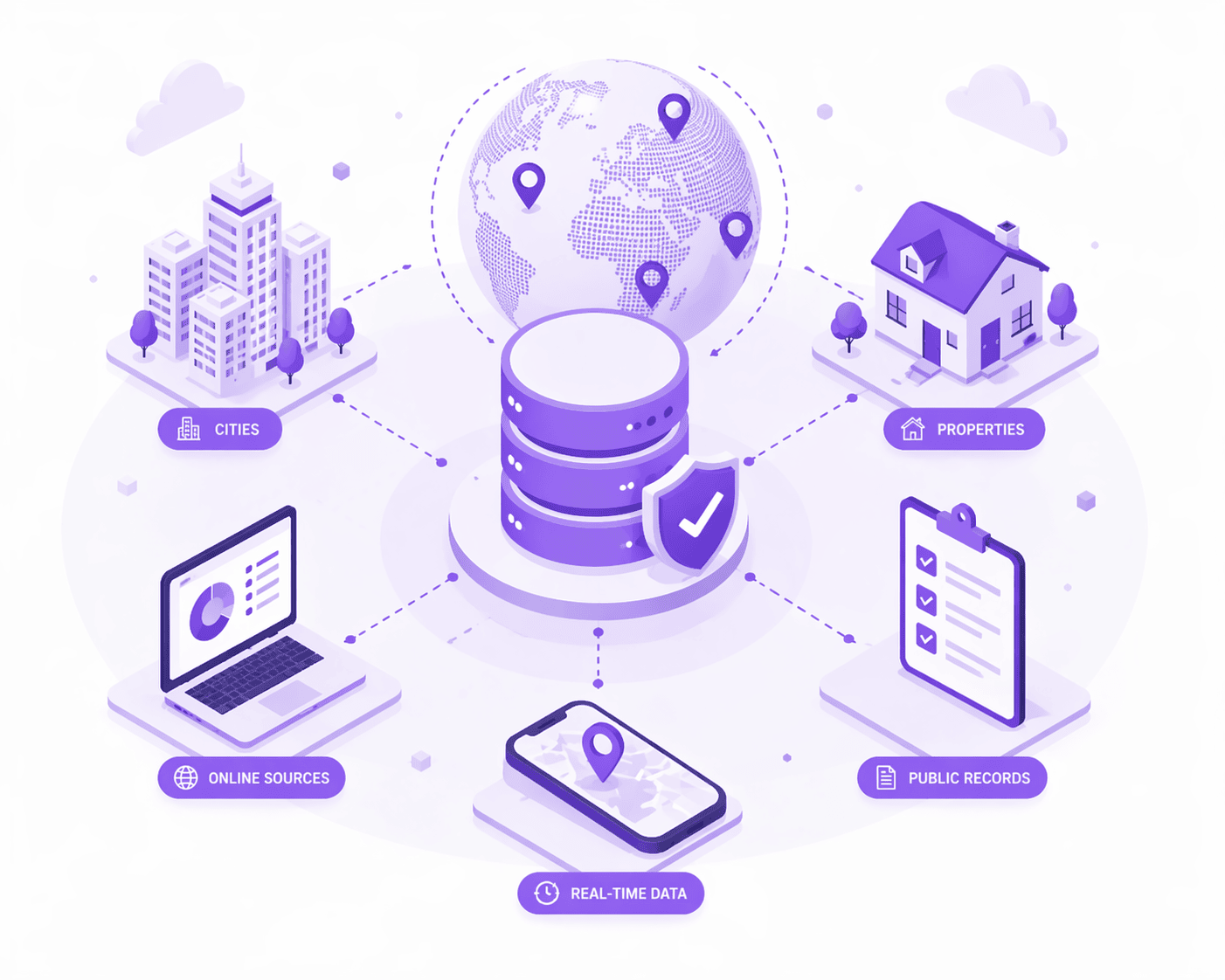
Legal research frequently requires locating and cross-referencing information across multiple public record sources. DataDock normalizes and enriches data from regulatory filings, ownership disclosures, enforcement records, and sanctions lists into a single queryable layer.
Every record carries full data lineage so attorneys and analysts can trace any result back to its source filing, timestamp, and regulatory authority.
Ownership Disclosures
Insider Activity
Regulatory Filings
Investment adviser registrations, private placement notices, and fund-level regulatory disclosures.
Enforcement Records
How It Works
From raw public filing to structured legal intelligence
DataDock processes regulatory and public record sources continuously, extracting and enriching the entity, ownership, and disclosure data that legal teams rely on for research and due diligence.
Continuous Filing Ingestion
Entity Resolution Across Sources
The same individual, company, or fund can appear under multiple name variants, identifiers, and structures across different filing types and regulatory sources. DataDock applies entity resolution to consolidate these into unified records, linking a subject across their full disclosure history rather than returning fragmented results from individual filings.
Relationship and Ownership Graph Construction
Sanctions and Watchlist Cross-Reference
Audit-Ready Output with Full Data Lineage
Use Cases
How legal teams put DataDock to work
From transaction due diligence to securities monitoring, DataDock supports the full range of legal research and compliance workflows that depend on structured public records.
Target Due Diligence in M&A
Surface ownership structure, related-party disclosures, regulatory filings, and enforcement history for acquisition targets. Supplement client representations with independently sourced public record data.
Insider Trading and Securities Monitoring
Track director, officer, and significant shareholder transaction filings for entities and individuals relevant to an active matter. Identify filing patterns, timing clusters, and ownership threshold crossings that support securities law analysis.
Counterparty Background Research
Research counterparties, guarantors, and related principals in commercial matters using structured financial disclosures, ownership records, and current sanctions status from a single integrated data source.
Regulatory Exposure Assessment
Identify a client's exposure across regulatory filing obligations, outstanding enforcement actions, and sanctions risk. Support regulatory counsel with structured primary source data rather than summarized secondary reports.
Private Markets and Fund Research
Access structured private placement filing data, investment adviser registration records, and fund-level disclosures for matters involving private equity, venture capital, and hedge fund structures.
Litigation Support and Document Review
Supplement traditional document review with structured public record data on the entities and individuals at the center of a dispute. Identify filing discrepancies, omitted disclosures, and material changes in reported information across time periods.
Integration and Access
Fits into your existing legal workflow tools
DataDock is accessible via API for legal technology teams building research tools, document management integrations, or custom due diligence platforms. Data is also available in structured export formats for teams that work primarily within document review or matter management systems.
All data carries complete provenance records, making results directly citable in legal work product without additional source verification overhead.
- RESTful API with full OpenAPI documentation and code samples
- Structured export formats for integration with matter management systems
- Entity search by name, identifier, jurisdiction, and filing type
- Relationship graph traversal for ownership and related-party queries
- Timestamped, versioned results suitable for legal work product citation
- Batch export for large-scale historical research on specific entity sets
Advanced Case Law Research & Structuring


Litigation Outcome Forecasting
Due Diligence for M&A and Regulatory Risk

Empowering Law Schools & Legal Clinics with Case Insight
Put public record data to work for your legal practice.
Talk to the DataDock team about integrating structured regulatory and financial data into your research and due diligence workflows.